
Sewage Backup in Your Basement: What to Do and Why It's Dangerous
Sewage backups aren't just messy — they're a biohazard. Here's what to do, what to avoid, and why this is not a DIY cleanup.
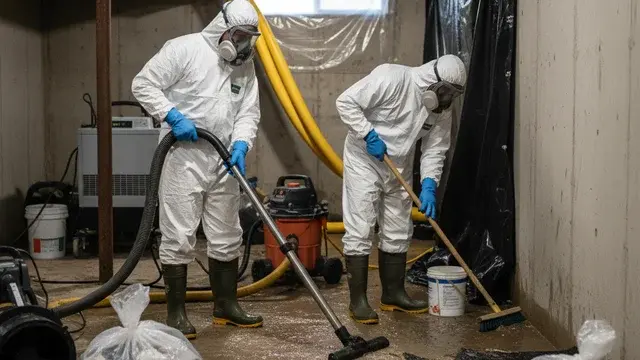
A sewage backup is one of the most hazardous water events a homeowner can face. Unlike a clean-water leak, sewage is Category 3 'black water' under IICRC S500 — it carries bacteria, viruses, and parasites, and it demands specialized handling. If sewage has backed up into your Baltimore basement, here's what to do and why professional cleanup isn't optional.
Why Sewage Is So Dangerous
Sewage contains pathogens that cause serious illness — E. coli, hepatitis, and other bacteria and viruses — plus it soaks into porous materials and releases hazardous gases. Contact, or even breathing the air in an unventilated space, poses a real health risk, especially for children, the elderly, and anyone with a compromised immune system.
Common Causes in Baltimore
- Clogged or collapsed sewer lines, often from tree-root intrusion in older neighborhoods
- Municipal main backups during heavy rain, common with Baltimore's combined sewer system
- Blockages from grease, wipes, or debris
- Failed or overwhelmed sump and ejector pumps
What to Do Right Away
- Keep people and pets away from the affected area.
- Stop using water that drains to the backed-up line — don't flush or run faucets.
- Shut off power to the area from a dry location if it's safe to do so.
- Open windows for ventilation if you can do it without entering the contamination.
- Call a professional restoration team with Category 3 experience immediately.
- Notify your insurer — sewage backup often requires a specific policy endorsement, so check your coverage.
How Professional Sewage Cleanup Works
Certified crews work in full personal protective equipment, establish containment with negative air pressure, extract the sewage, and remove and dispose of all porous materials that contacted it. Surfaces are cleaned and treated with EPA-registered disinfectants, the structure is dried to standard, and post-cleanup verification confirms the space is safe to re-occupy.
How We Help in Baltimore
Our team handles Category 3 sewage backups across Baltimore City and Baltimore County under IICRC S500 protocols, with the equipment and PPE to do it safely. If sewage has backed up in your home, don't touch it — call us 24/7 for a safe, thorough cleanup.
Need help with water damage in Baltimore?
Our team is open 24 hours for emergency water damage response across Baltimore, MD.