
How to Prevent Mold After Water Damage
Mold can start within 24 hours of water damage. Here's how to stop it before it becomes a bigger problem.
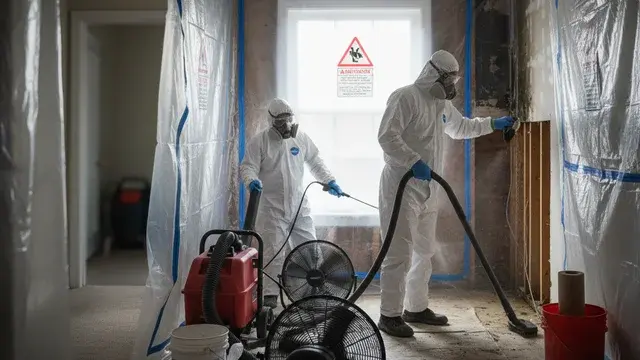
Mold needs three things: moisture, organic material, and time. After water damage, your home provides the first two. The only variable you control is time — which is why fast drying matters so much.
The 24–48 Hour Window
On most building materials, mold can begin growing within 24 to 48 hours of water exposure. That's why emergency water extraction and immediate drying are so critical. Every hour past that increases the risk.
What You Can Do Right Away
- Extract standing water as quickly as possible.
- Remove wet carpet padding — it holds moisture against the subfloor.
- Open windows and run fans to increase air circulation (if outdoor humidity allows).
- Raise furniture off wet floors.
- Pull baseboards to ventilate wall cavities.
What Professional Drying Adds
Household fans aren't enough for serious water damage. Commercial air movers push far more air, and industrial dehumidifiers pull gallons of water from the air daily. Combined, they dry materials to the safe moisture range within days.
Antimicrobial Treatment
After drying, professional-grade antimicrobials treat surfaces to kill any spores present before they can grow. This is standard practice after water damage and is especially important for Category 2 or 3 water.
Watch for Warning Signs
- Musty smells that develop after water damage
- Visible mold on walls, baseboards, or under carpet
- Allergy-like symptoms in the home
Need help with water damage in Baltimore?
Our team is open 24 hours for emergency water damage response across Baltimore, MD.