
What to Do in the First 24 Hours After Water Damage in Baltimore
The first 24 hours after water damage decide how bad it gets. Here's exactly what Baltimore homeowners should do.
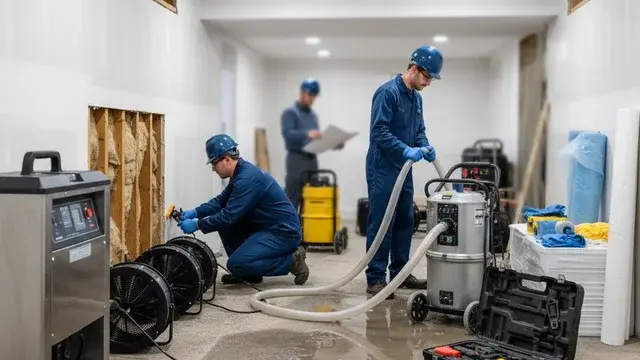
The first day after a water event is critical. What you do — and don't do — in those initial hours shapes how extensive the damage becomes, how much insurance covers, and how long restoration takes. This guide walks Baltimore homeowners through what to do step by step.
Step 1: Make Sure Everyone Is Safe
Before anything else, check on people and pets. If water has reached electrical outlets, appliances, or panels, do not wade into it. Standing water plus electricity is deadly. If you can safely reach your main breaker from a dry location, shut off power to the affected areas.
Step 2: Stop the Water Source
If the water is coming from inside your home, shut it off. Common locations:
- Main shut-off valve (usually in the basement or near the water meter)
- Shut-off valves under sinks, toilets, and behind appliances
- Water heater isolation valves
If you can't stop it yourself, call a plumber. If the source is outside (storm flooding, sewer backup), move to step three.
Step 3: Document Everything
Before you move anything, take photos and short videos. Capture standing water, affected walls and ceilings, soaked furniture, and any visible damage. This documentation is essential for your insurance claim.
Step 4: Move What You Can
Get valuables, electronics, documents, and furniture out of the wet area if safe. For heavy furniture, place aluminum foil or wood blocks under legs to stop staining on wet carpet and to limit further absorption.
Step 5: Call a Restoration Company
Water damage gets worse fast. Carpet pad wicks water into subfloor. Drywall absorbs upward. Mold can start within 24 to 48 hours. A professional team can extract water, start drying, and prevent secondary damage before it becomes expensive.
Our Baltimore team answers 24/7 and dispatches to Baltimore City, Baltimore County, and surrounding areas. If you're dealing with an active water event, call now.
Step 6: Notify Your Insurance Carrier
Open a claim as soon as possible. Give your carrier the basic facts and your documentation. A good restoration company will coordinate with the adjuster and provide a detailed scope of work.
What to Avoid
- Don't use a household vacuum on water — you'll ruin it and can get shocked.
- Don't turn on lights, fans, or HVAC if water reached wiring.
- Don't walk on wet hardwood or tile — it can be slippery and may conceal damage.
- Don't wait it out. Every hour adds to the damage.
Local Baltimore Help
Baltimore's older row homes, finished basements, and storm-prone low areas make water damage a common problem. Our team understands local construction and responds fast — 24/7 — so you can focus on your family while we handle the restoration.
Need help with water damage in Baltimore?
Our team is open 24 hours for emergency water damage response across Baltimore, MD.