
What Category 3 Water Means for Your Property
Category 3 water isn't just dirty — it's biohazardous. Here's what it means and why cleanup is different.
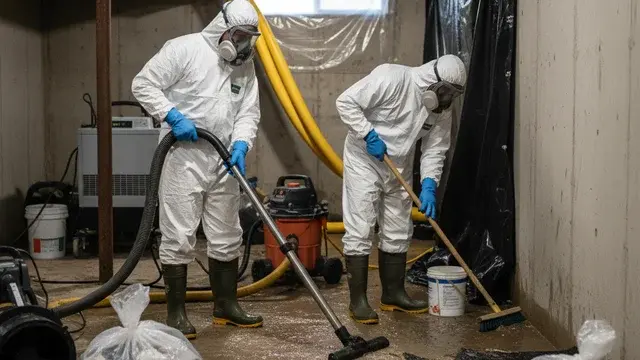
The restoration industry classifies water into three categories based on contamination. Category 3 is the worst — water that's so contaminated it's considered biohazardous. Knowing what it is, and why cleanup is different, matters.
The Three Categories
Category 1 — Clean Water
Water from a sanitary source. Supply lines, faucets, fresh rainwater, and the like. Minimal biohazard risk.
Category 2 — Gray Water
Water with significant contamination that could cause illness if ingested. Washing machine discharge, dishwasher overflow, sump pump failures.
Category 3 — Black Water
Grossly contaminated water. Includes sewage backups, toilet overflows with waste, and flood water that entered from outside (which picks up contaminants from the ground, streets, and runoff).
Why Category 3 Is Different
Category 3 water contains bacteria, viruses, parasites, and chemical contaminants. Exposure can cause gastrointestinal illness, skin infections, respiratory problems, and worse. Standard cleanup isn't enough.
How Category 3 Cleanup Works
- Full PPE — suits, respirators, gloves, boots
- Containment with plastic barriers and negative air pressure
- HEPA air scrubbing throughout the work
- Removal of all porous materials that contacted the water (drywall, insulation, carpet, padding)
- EPA-registered disinfection of remaining surfaces
- Post-cleanup verification and clearance
Insurance Treatment
Most homeowners policies don't cover flood water or sewer backups unless you've added specific endorsements. Check your policy — and if you're in a flood-prone area of Baltimore, consider adding flood insurance and sewer backup coverage.
Need help with water damage in Baltimore?
Our team is open 24 hours for emergency water damage response across Baltimore, MD.