
Does Homeowners Insurance Cover Mold in Maryland?
Mold coverage is one of the most misunderstood parts of a Maryland homeowners policy. Whether you're covered usually comes down to the cause.
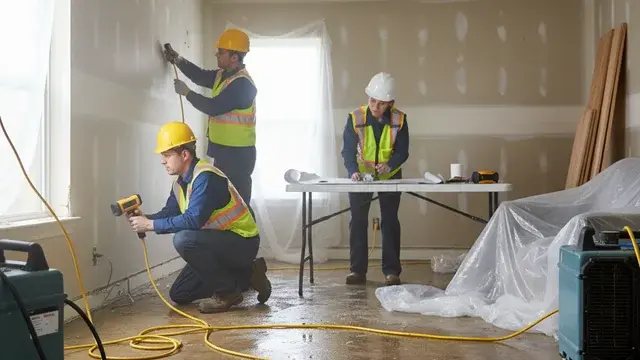
Mold is one of the most common questions we get after a water loss: will insurance pay to remove it? The honest answer is that it depends — not on the mold itself, but on what caused it. Understanding the distinction before an emergency helps you protect your coverage.
When Mold Is Usually Covered
Most standard Maryland homeowners policies cover mold when it results directly from a covered water loss — a sudden and accidental event like a burst pipe, an overflowing appliance, or a storm-driven roof leak. In those cases, if the water damage is covered, the mold that grows from it is generally treated as part of the same claim.
When Mold Is Usually Not Covered
Mold caused by long-term problems is typically excluded. Insurers consider these preventable maintenance issues rather than sudden accidents:
- A slow, unrepaired leak under a sink or behind a wall left for weeks or months
- Chronic humidity or condensation that was never addressed
- Flooding from outside water when you don't carry separate flood insurance
- Seepage through foundation cracks over time
- Deferred maintenance — a known problem that wasn't fixed
Check Your Coverage Caps
Even when mold is covered, many policies limit how much they'll pay for mold remediation specifically — often a sub-limit well below your main dwelling coverage. Some homeowners add a mold endorsement to raise that cap. It's worth reviewing your declarations page now, before you ever need it, so you know exactly what your policy allows.
How to Protect Your Claim
- Act fast — professional drying within 24 to 48 hours prevents most mold and keeps the loss in the covered category.
- Document everything — photos and video of the water source and the damage before cleanup begins.
- Report the loss to your carrier promptly and keep records of every communication.
- Don't attempt large mold cleanups yourself — improper handling can spread spores and complicate the claim.
- Work with a restoration company that provides the documentation your adjuster needs.
How We Help in Baltimore
We address both the mold and the water damage that caused it — locating hidden moisture, drying the structure to standard, containing and remediating affected areas, and documenting the loss for your insurance claim. If you've found mold after a water event in Baltimore, call us and we'll walk you through the next steps.
Need help with water damage in Baltimore?
Our team is open 24 hours for emergency water damage response across Baltimore, MD.